
If you’re like me, managing multiple holiday celebrations in a condensed period can become burdensome—on the mind and the belly. Here are some tips I’ve found that helped me and my patients survive the holidays so that you don’t feel the need for a massive reboot this January.
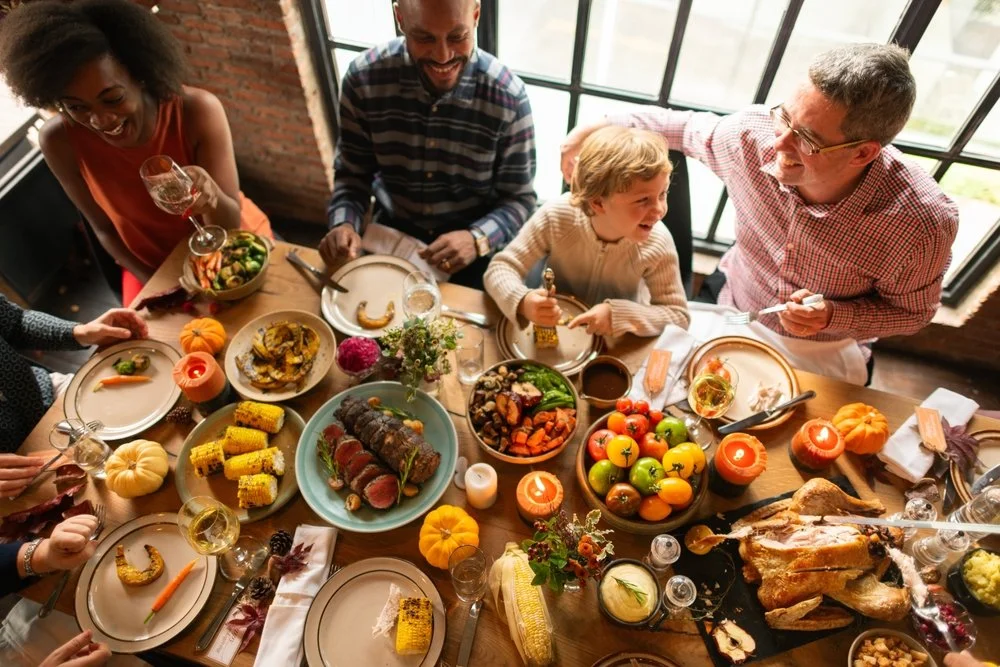
Many of these are inspired by my grandma, who loved entertaining and often held fabulous parties. Given our Romanian heritage, I can gladly say several are centuries-old, time-tested tips, and I’m glad they still can help us in modern life.
A quick disclaimer — this information comes from my personal and clinical experience and should not be taken as medical advice. Please speak to your doctor before making any changes regarding your health.
1. Let’s begin with the beginning of a meal: bitters.
Whether it’s an aperitif cocktail with a splash of gentian, cured black olives, Apple Cider vinegar, or a little radicchio in a salad, our digestion is optimized with this meal ritual. How does it work? When bitter receptors are stimulated at the back of the tongue, digestive enzymes are released and mucus production increases to get our stomach ready for processing food. It also stimulates motility throughout the entire system, helping move food through more efficiently and decreasing fullness, gas, and bloating. This is likely why many cultures often provide a bitter finish as well, e.g., a coffee or dark chocolate at the end of the meal to get things moving.
For this reason, people with increased gut motility, as in loose stool, should avoid strong bitters until this symptom resolves. As with anything, it’s always best to check with your doctor before making any changes to your health regimen.
Don’t like the bitter taste? You’re not alone. A bitter flavor in nature often signals something that is poisonous and not meant to be eaten. Therefore, enjoying this flavor in foods that are safe to eat means training your taste buds. Sorry for the fights we had over this one, Grandma, but eventually I got it. Turns out even pediatricians have a hard time getting kids to learn healthy habits.
I love this simple tool so much, I’ll give you one more tidbit: More recently, scientists found bitter receptors modulating pain sensations in the gut walls, meaning it may have many more functions than we currently understand.
2. Walk after a big meal.
This was one of my favorite traditions as a kid because it meant that you could leave the house as a group and play outside while loosely following your parents around. Similar to bitters, moving after a meal also stimulates gut motility, moving the food along, decreasing fullness, gas, and bloating. A slow stroll is enough, no need for a brisk walk or run, because these activities can shunt blood flow away from the gut and lead to indigestion.
Recently, food-and-mood pioneer Dr. Kristen Allot encouraged me to experiment by sitting or moving around after a meal or drink and looking at what it does to blood sugar, which can easily be measured via a Continuous Glucose Monitor (CGM). When you move your body, even with gentle walking, the muscle cells increase their uptake of glucose, lowering blood sugar levels. Preventing blood sugar spikes means avoiding the potential crashes that lead to food cravings and, for those who are susceptible, mood issues such as anxiety or depression. (Not helpful if you’re already managing potentially stressful holiday events!) CGMs now give us the technology to track blood sugar levels minute-by-minute, so you and your doctor can see the immediate results of habit changes like never before.
3. To avoid that food-coma feeling, seek out blood sugar-friendly foods.
In my nutrition science class in medical school, I was surprised to learn that sweet potatoes affect blood sugar less than Russet potatoes, even though the former tastes sweeter, which makes them a great choice for a mash or a bake. If you love Russet, Yukon Gold, or Red-skin potatoes, you can lower their impact on blood sugar by cooling them after cooking and eating them cold, such as adding them to a salad, for example. This technique raises the resistant-starch content of a food. And potatoes are just one example of lowering carbs at the table! You could also consider swapping canned cranberry relish for a fresh-made cranberry sauce with orange juice and monk fruit sweetener, mac and cheese with a cheesy roasted broccoli, or pumpkin pie with a whole grain crust.
Avoiding overeating is also necessary to prevent feeling like a zombie afterward. More on that in a little bit.
4. Know what works best for you.
Having said all of that, each person is impacted by food slightly differently. Another helpful tip I received from Dr. Allot was to look at how a specific food, whether it’s considered healthy or not, impacts your individual blood sugar levels.
I was shocked to discover a spike in my blood sugar from my morning oat-milk latte drink. It was also fascinating to see that if I sipped it while sitting down for an hour, the spike was quite high. However, if I was on a walk while sipping it, the impact was much less. Thank you, Dr. Allott!
In my practice, I love helping patients track which foods and habits work for them and which ones are obstacles to their health goals. CGMs can be one tool to help us do that.
5. Teas and spices to make digestion nice.
My grandmother's favorite herb, which she often recommended for pediatric stomach complaints, was chamomile tea. In herbal medicine, it’s considered a ‘carminative,’ which basically means soothing and supporting digestive function. It does this by lowering inflammation, supporting gut motility, and decreasing gas and bloating.
Chamomile also works in adults, and I’ve also found it useful clinically when I’m working with patients dealing with indigestion or IBS. This humble herb may have some other surprises as well. Researchers also found that a cup of Chamomile tea can lower blood sugar after meals.
Other carminative herbs that cultures use often to complement heavy meals include rosemary, mint, oregano, fennel seeds, licorice, garlic, ginger, sage, thyme, turmeric, cinnamon, cardamom, and caraway, just to name a few. So, you can fight the bloat by including herbs and spices in your food.
Again, caution is warranted with large doses or continuous use to avoid medication interactions. A health practitioner well-educated in herbal medicine can easily check these for you. Some ‘hot’ herbs such as ginger or garlic can make diarrhea symptoms worse, for example, and long-term licorice use can raise blood pressure in sensitive people.
6. Treat the holidays like a long relay race rather than a sprint.
If you were a runner in a multi-day relay race, you’d probably strategize to get adequate rest and food to help pace your energy levels. The holiday season is no different in that there are multiple events around the holidays, sometimes many days in a row. Having a good time at your next event means pacing yourself at the current one.
Heavy drinking can lead to overeating, and neither will help you feel great the next day. Not enough food, or food you’d rather not eat? I've found it helpful to bring a protein bar with me just in case.
7. Conversing to combat overeating.
Enjoying a pleasant conversation over a meal can help us slow down the pace of eating, allowing our built-in satiety cues to surface. It can take about 20 minutes for our brain and body to register that we've had enough to eat. If you rush to finish your plate in less time than that, you also risk indigestion since your stomach can be overwhelmed with too much to process at one time.
One last tip: avoid arguing at the table. Heated discussions stimulate the fight-or-flight response, shunting blood flow away from the gut and the brain, so that your muscles and other body systems can act to protect you from a potential predator. This can lead to indigestion, poorly processed and absorbed nutrients, gut inflammation, and an overall unpleasant holiday experience.
I hope these tips help you have a wonderful time this holiday season, no matter how busy it gets!
If you need help with a specific health condition or have any questions, I offer a free 20-minute phone consultation, which you can schedule using my Practice Better portal.
Want to receive Part 2 in your inbox? Go to my website and sign up for my mailing list.
Warmly,
Dr. Cris