
Rainbows, Hope and Imagination
Today is a challenging day for many of us. There is so much division and uncertainty. Beginning this chapter without my spouse is especially difficult—not only because their beautiful spirit isn’t next to me in physical form to help navigate what’s to come, but also because it marks the passage of time, a sad reminder of how long we’ve been apart.
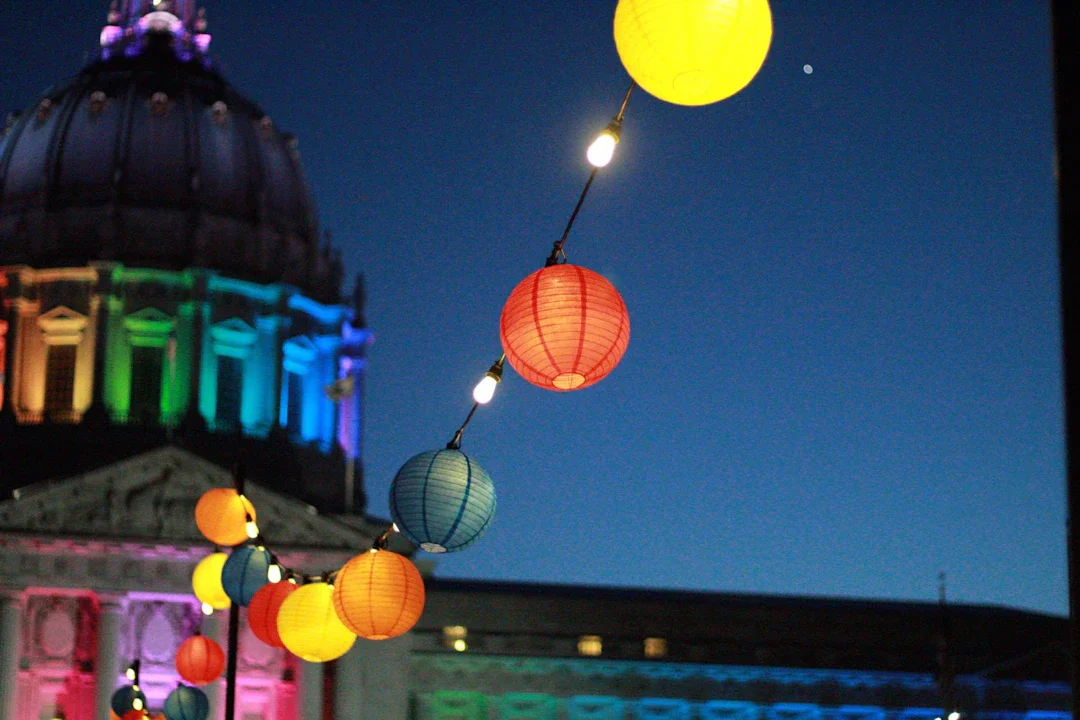
Rachel (they/them) was “my person”—someone I could always rely on to listen to the ups and downs of my adventures and remind me that all would be alright in the end. Their unwavering commitment to hope and faith was shaped by witnessing vast cultural shifts over the years. In the 1980s, Rachel participated in London’s Gay Pride marches and often described the hostility they faced. Yet, only a few years later, London’s Pride celebration had become one of the biggest in the world. Rocks in hands were replaced by rainbow flags, boas, and sequins.When retelling this story, Rachel often ended it with “living well is the best revenge.”
This was one of the many lessons I learned from my spouse that made me a better person. Rather than putting poisonous thoughts of revenge into the world—thoughts that make us shrink in perspective—they taught me to focus on on constructive actions that make life better for ourselves and others. To achieve this, one must practice shifting into a more positive mindset—something that’s easy to say but often difficult to do.
No matter the circumstances, our hope and imagination for better days take the biggest hit during difficult times. I’ve experienced this both personally and professionally. In the first year after my spouse passed away, I felt as if I were staring into a blizzard, unable to see anything beyond the end of the day. As time went on, I wondered whether I would ever enjoy life again. I’ve also witnessed this with patients dealing with chronic illness—how the pain and exhaustion slowly drain their ability to imagine better health.
At this year’s national naturopathic medicine conference, fellow ND and cancer expert Dr. Lise Alschuler shared incredible stories of utilizing the power of imagination in her clinical practice. She invited us to reflect on our own ability as doctors to envision positive outcomes and to encourage our patients to do the same. Surprisingly, several studies have shown that physical skills, such as playing tennis, can improve simply by imagining performing the activity—even without physical practice. Scientists are still exploring how this works, and I look forward to seeing more research in this area. I left the conference with a renewed commitment to harness the power of the mind to create positive changes—not only for myself but also in my clinical practice.
One thing is clear: frequent catastrophizing is bad for your health. Using your imagination to amplify worst-case scenarios raises cortisol levels, which can trigger a cascade of stress responses in the body. Over time, this can lead to sleep disturbances, high blood pressure, and exhaustion.
As the years passed and our partnership deepened, I marveled at how similar our ancestral experiences were. Both of our families endured unspeakable horrors. As a child, I saw my elders model resilience, showing how to rebuild a life after unimaginable loss. Having lost the love of my life unexpectedly during a global pandemic, I now draw on those lessons daily.
This past year, I struggled with what I call “widow’s block,” unable to write much due to the pain of moving forward while accepting my partner’s absence. But now, I’m beginning to imagine a better future for myself—one where I’m in optimal health, surrounded by good friends in a thriving community, and where my work continues to inspire me while helping others.
Another important lesson Rachel and I learned from our elders is the importance of radical self-care. In a turbulent and ever-changing landscape, self-care is something we can control. It helps foster a sense of agency, which is essential for navigating difficult times.
I want us to imagine a better future—one full of love, good health, and the things we need for a truly fulfilling life. We can love and support one another. There’s so much power in shifting our focus to creating the future we want, whether it’s in our health, our work, or our community. And we can do it together.
On Tuesday, February 25th, at 6:00 - 7:00 PM Pacific Time, I’m hosting a FREE online workshop to share six often-overlooked tools for managing stress and navigating life’s challenges. Join me as we explore practical tools to foster hope and resilience, empowering you to navigate life’s challenges with confidence.
A Little About Me
I have 10+ years of clinical experience in naturopathic medicine. Since they are closely related, much of my work focuses on the intersection between hormonal, gut, and brain, health and the effect stress can have on these systems. I frequently help folks impacted by perimenopause, menopause, irritable bowel syndrome, food intolerances, IBS, IBD, and brain fog. My work is also a great compliment for those working with a mental health professional to recover form anxiety and depression.
If you like this piece, sign up for my mailing list to stay informed on future posts and events.
A quick disclaimer — this information comes from my personal experience and should not be taken as medical advice. Please speak to your doctor before making any changes regarding your health.